
Contestations over Informal Settlements: Which Way Forward? An Interview

By |2024-01-04T14:02:29+01:00October 22nd 2020|Gender and Inequalities, Housing and Construction, Integrated Planning|

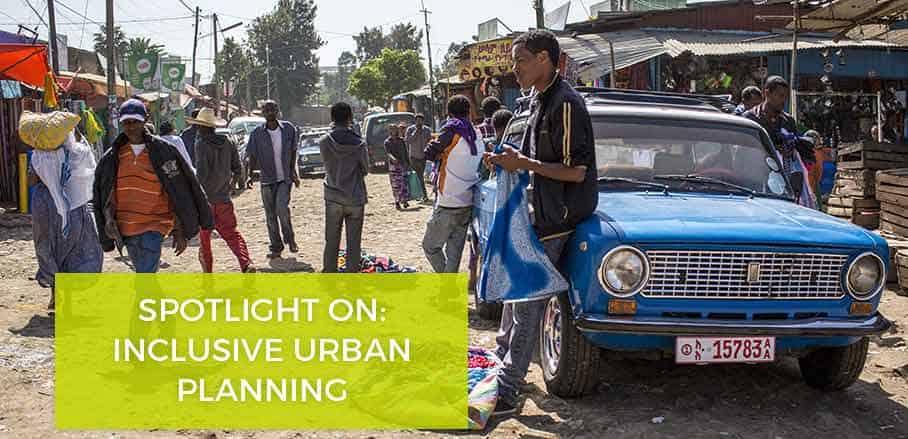
Ethiopia is experiencing unprecedented population growth. Despite large government housing programs, there are more and more informal settlements in the country, and cases of forceful displacement and evictions are on the rise. In the virtual event “Ways forward for informal settlements”, Tania Berger from Danube University Krems discusses options for inclusive urbanisation with an international panel.

Urban Development in Mumbai and its Effect on Coastal Communities

By |2024-01-04T13:45:15+01:00September 8th 2020|Good Governance, Integrated Planning|

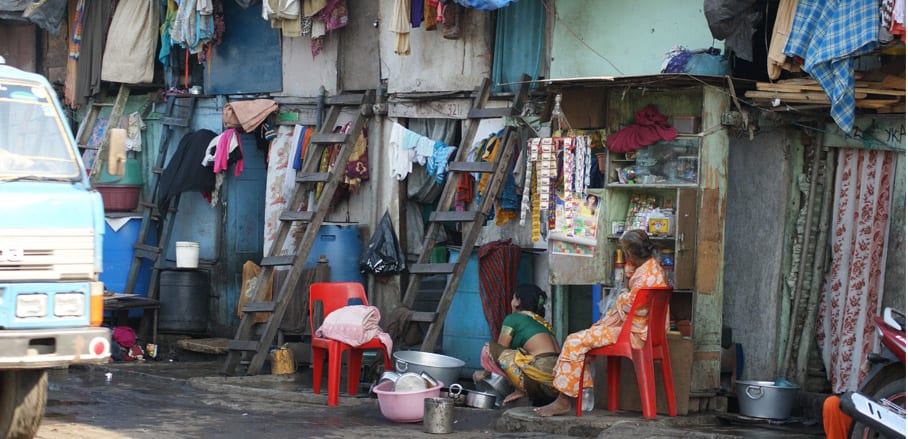
Coastal regions have always had significant historical and socio-political value, making them the target of ambitious urban development plans. Amit Devale zooms in on the situation of Mumbai’s indigenous coastal tribes and their relationship with the city – and how local government plans affect their lives.

More Inclusive Cities for a Better Urban Future: Participatory Planning in Indonesia

By |2024-01-04T13:47:05+01:00August 20th 2020|Good Governance, Integrated Planning|

Participatory budgeting in Indonesia is not new, but policy makers still rarely consult with citizens on large-scale urban projects – even though it leads to better and more sustainable results. John Taylor and Ahmad Rifai make a strong case for embracing people-based budgets.

Casa Minha Nosso Bairro: Inclusive Urban Development in Maputo, Mozambique

By |2024-01-02T18:54:10+01:00November 8th 2018|Housing and Construction, Integrated Planning|

Projects aimed at the upgrading of settlements often face the question of how to increase living standards for all residents – while keeping housing costs at a level affordable for the original population. The initiative "Casa Minha Nosso Bairro" takes an innovative approach towards this issue, aiming at living conditions that nurture a peaceful living environment for all urban residents
The Human Rights Dimensions of India’s Smart Cities Mission

By |2024-01-02T15:10:04+01:00August 16th 2018|Integrated Planning, Sustainable Infrastructure|

Shivani Chaudhry from the Housing and Land Rights Network argues that India’ Smart Cities Mission lacks a human rights dimension – with highly problematic consequences.

Interview: “Diversity is part of our DNA” (Peter Kurz, Mayor of Mannheim)

By |2024-01-02T15:01:56+01:00May 8th 2018|Gender and Inequalities, Integrated Planning|

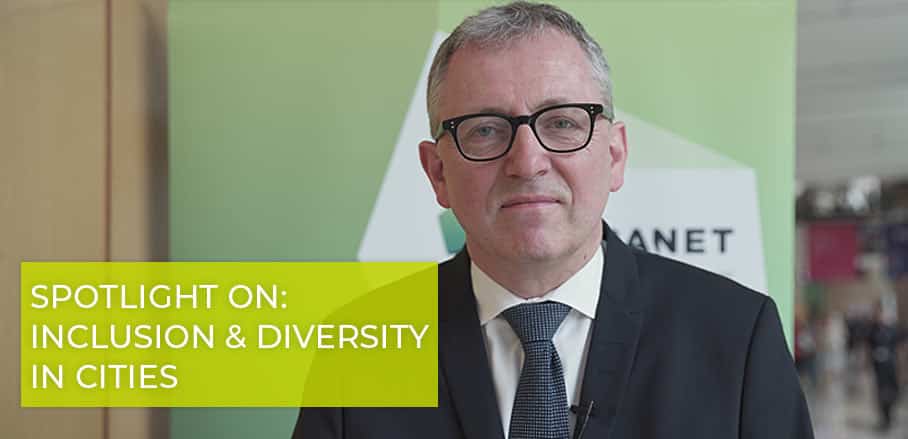
The city of Mannheim has always been an intercultural city with an urban community characterised by diversity. But like many other cities in Germany, Mannheim is feeling the impacts of the sudden influx of refugees in 2015. Through various projects and initiatives, the city strives to maintain an urban society which is characterised by a spirit of openness and understanding. URBANET talked to Mannheim’s mayor Dr. Peter Kurz about the city’s approach to diversity and the chances that can arise from being a diverse city.

“I believe that technology can foster democracy” – interview with Kalpana Viswanath from Safetipin

By |2024-01-02T10:25:20+01:00March 26th 2018|Good Governance, Integrated Planning|

Kalpana Viswanath from Safetipin, a mobile app developed to support community and women's safety, points out what she is currently missing in the smart city debate and explains to URBANET how technology can actually be used in an inclusive way to promote democracy and citizenship.

Accessible Mobility for All: Development Cooperation For Accessible Public Transportation

By |2024-01-02T11:29:16+01:00March 12th 2018|Integrated Planning, Sustainable Infrastructure|

Accessible public transportation is a critical component of future urban development. Worldwide, more than one billion people live with a disability, and the number of people over the age of 60 is expected to double by 2050. Countries should prioritise accessible mobility—and development agencies can help by encouraging community participation, sharing best practices, and raising awareness, says Jelena Auracher.

Creating a low-carbon and equitable future: Cities IPCC sets blueprint for urban transformation

By |2024-01-02T11:34:33+01:00March 9th 2018|Good Governance, Resilient Cities and Climate|

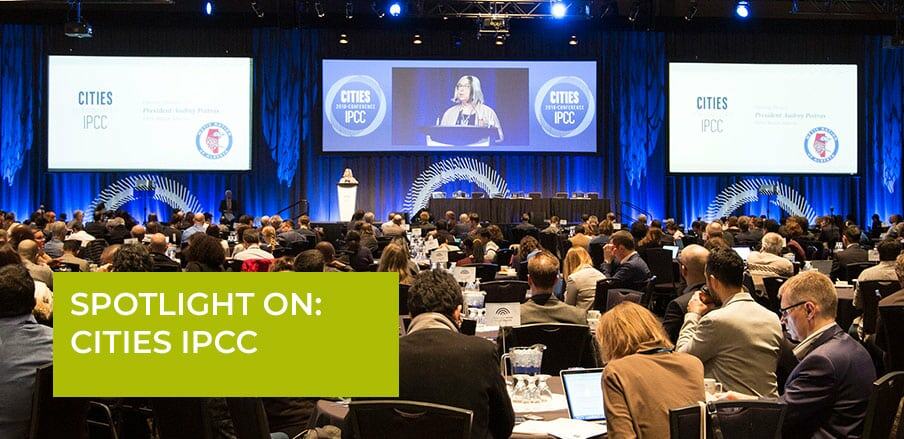
At the end of three intensive days of Cities IPCC, scientists, policymakers and development experts set a global blueprint on how cities can be better places to live and meet the challenge of climate change. Stephen Leahy takes a look back and ahead.

“Climate change and gender issues cannot be taken apart” – an interview with Laids Mias-Cea from UN-Habitat (video)

By |2024-01-02T11:34:48+01:00March 7th 2018|Gender and Inequalities, Resilient Cities and Climate|

What are the linkages between climate change and gender? Why are women and youth particularly vulnerable to the impacts of climate change? And how can we create an enabling environment that allows women and youth to participate in climate decision making? URBANET talked to Maria Adelaida “Laids” Mias-Cea, Regional Coordinator of UN-Habitat’s Cities and Climate Change Initiative (CCCI). Check out her video on the occasion of this year’s International Women’s Day.

Cities and scientists join forces in the fight against climate change

By |2024-01-02T11:35:11+01:00March 5th 2018|Housing and Construction, Resilient Cities and Climate|

More than 700 climate scientists and city planners have gathered in Edmonton this Monday for the CitiesIPCC—Cities and Climate Change Science Conference. The three-day gathering marks the first time cities rather than nation states are offered a seat at the table of the U.N.'s top scientific authority on global warming. At day one, data collection and analysis for effective emissions reduction and their potential for social inclusion has been the main focus, writes Stephen Leahy.

A Better Climate for Cities: CitiesIPCC Aims to Launch a New Research Agenda

By |2024-01-02T12:14:04+01:00February 28th 2018|Integrated Planning, Resilient Cities and Climate|

At next week’s CitiesIPCC conference, the urban and climate communities will brave the cold of Edmonton, Canada, to discuss some of the century’s hottest issues. From March 5-7, more than 700 delegates will seek to close a significant gap in our collective understanding of the role of cities in adapting and responding to climate change, and launch a global research agenda to inform the IPCC. Julie Greenwalt explains how the organising partner Cities Alliance is working to ensure that issues critical to the Global South will be emphasised at this landmark event.

Hyperlocal Neighbourhood Networks: Building Social Capital and Empowering Local Urban Communities

By |2024-01-02T12:14:26+01:00February 28th 2018|Good Governance, Integrated Planning|

It has never been easier to stay in touch with family, friends and colleagues, wherever they live. Yet most of us still lack a digital infrastructure for connecting with the people living next door. Despite their success in some developed countries, hyperlocal social networks are not a fixture of most local communities. Hence, nebenan.de, Germany’s first hyperlocal communication platform, could offer a model for communities in developing countries seeking to leverage the power of hyperlocal communication to increase social capital, says co-founder Michael Vollmann.

Safer Cities for Children

By |2025-05-14T10:47:25+02:00February 15th 2018|Integrated Planning|

Rapid and unplanned urbanization has many negative consequences, especially for children and young people. Many children live in urban areas without safe spaces to play, learn, and develop. Frank Mischo explains why city leaders and planners must pay more attention to the needs and rights of urban children.

A “new urban agenda” for displaced communities? Unveiling architecture and urbanism principles to strengthen the Right to the City

By |2023-12-19T15:21:42+01:00June 12th 2017|Gender and Inequalities, Integrated Planning|

According to UNHCR, 65.3 million people were displaced due to conflict and persecution in 2016. How can city planning respond to this massive influx of people in a way that meets minimum standards for housing? URBANET's author Fernando Murillo outlines his ideas for inclusive cities that welcome refugees and migrants.

Go to Top