



Moving towards Climate Resilient and Gender-responsive E-bus Depots
As India moves towards electrification of public buses, there's an opportunity to make e-bus depots gender-responsive and climate resilient. By Sonal Shah and Manisha Sharma.

Harnessing Opportunities and Reducing Risks: Using Artificial Intelligence for Local Climate Action
Nidhi Misra unveils how AI is revolutionising urban climate action. From Rome's pollinator projects to Fortaleza's smart bike lanes, discover how cities are harnessing AI's power to create sustainable futures.

Skyward Sanctuaries: Exploring the Social Dynamics of Urban Roof Gardens
Tokyo's roof gardens are more than just aesthetic urban features. Urban geographer John-Guy Perrem on the distinction of Tokyo’s roof gardens and the city’s increasingly commercialised public spaces.

Mushrooming Solutions: How Mycelium is Cementing an Eco-Friendly Alternative
Are we all going to live in mushrooms soon? Alexander Jachnow explains how fungi-based construction could be the solution to make building practices more sustainable.

Medulla: Connecting the Four Hearts of Antioquia
In Antioquia, Colombia, a groundbreaking strategic plan is poised to reshape the region's landscape. As Aníbal Gaviria Correa argues, the “Medulla: The Long City of Four Hearts” initiative heralds a new era for Antioquia by prioritising regional development.

Empowering Colombian Cities: Pioneers in Climate Action and Energy Resilience
Colombian cities face a stark paradox - emitting just a fraction of global greenhouse gases, yet disproportionately vulnerable to climate impacts like extreme weather and energy insecurity, explains Carolina Hernández. Despite minimal contributions, they bear the brunt.
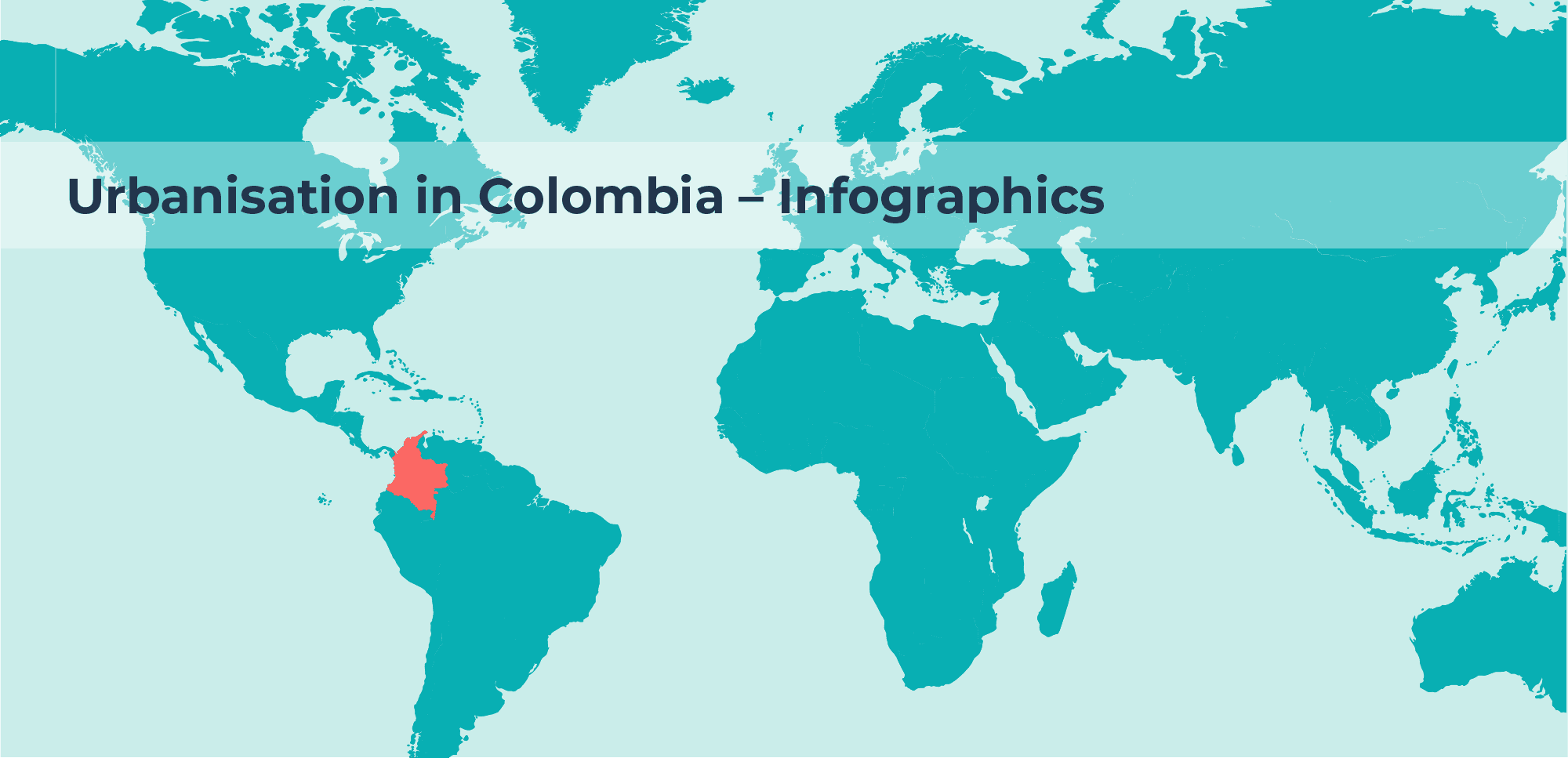
Infographics: Urbanisation and Urban Development in Colombia
URBANET’s latest country focus on Colombia invites our readers to learn about the country’s urban and demographic development. Traditionally starting off with a set of infographics, we offer you facts and figures about urbanisation in Colombia, which is already increasing rapidly and projected to rise even further in the following 25 years.
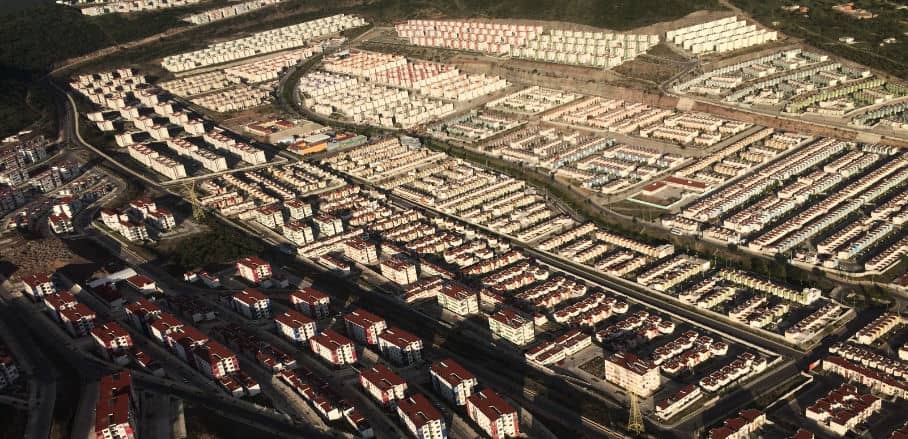
Accessibility is Affordability: Why Evaluating Urban Access is Key to Affordable Housing Policy
City planners and data scientists Santiago Fernández Reyes and Apaar Bansal explain how a new visual tool they developed can bridge the land use and transport policy gap – and push policymakers to provide adequate housing that is better located.

Advancing the Right to Housing Through Self-Build
“A house for all” is a promise made by the South African government, which has not yet been fulfilled. Annette May, of Isandla Institute, highlights this ongoing struggle and advocates for policy reform to address systemic challenges in housing delivery.