
Putting the Public Back in Finance: Reclaiming Urban Infrastructure for the Common Good
Africa’s cities are at a turning point. Astrid Haas cautions: betting everything on private capital risks deepening, not solving, urban inequality.
Cities are on the frontlines of the climate crisis. While the need for urban adaptation is growing, funding remains alarmingly low. Hamza Abdullah and Alastair Mayes from CCFLA reveal why finance isn’t flowing—and what can be done to close the gap.
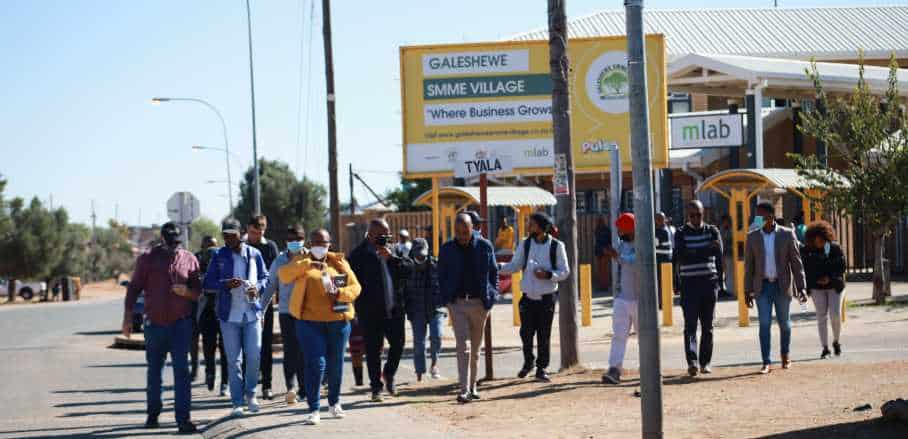
The open-air arena in the township of Galeshewe in Kimberley, South Africa, is being transformed under the Cities CHALLENGE 2.0. The centrepiece is a new “Informal Traders Hub” offering a safe, sustainable, and gender-responsive environment for local female traders.
CoM SSA supports cities to access clean and resilient energy, lower greenhouse gas emissions, reduce costs and boost employment. The best part: these cities do not need their own investment.
November 17 was Solutions Day at the recent climate conference COP27 in Sharm El-Sheikh, Egypt. To discuss how to combine financial modalities with city-level policies to facilitate public and private investment in low- and zero-carbon buildings, the German Federal Ministry for Economic Cooperation and Development co-hosted an event with the Cities Climate Finance Leadership Alliance. By Laura Puttkamer
Access to housing finance is an enormous challenge in Egyptian cities. Raed Fares and Safa Ashoub portray the approach by Habitat for Humanity Egypt: a microfinancing programme that also offers technical assistance and ensures to include local communities.
Creating liveable, affordable cities requires significant public investments. How to finance them? The answer may lie in land value capture. This financing tool allows municipalities to recover the land value gains that result from public action such as zoning changes or investment in public infrastructure, to invest them back into the city. Sena Segbedzi, OECD Champion Mayors for Inclusive Growth Initiative, shares stories of success from all over the world.
Rwanda has some of the most ambitious climate goals in Africa and its urban leaders are planning and implementing tangible actions to get there. These will increase city dwellers’ quality of life and protect the environment.
Despite the importance of adapting to climate change, not many cities have a plan to tackle it. From those that do, not all contemplate climate adaptation, which is essential given the irreversible damages that climate change will bring. Cristina Bernal Aparicio takes a look at eleven local climate adaptation plans to assess if cities are ready for the climate challenges to come.
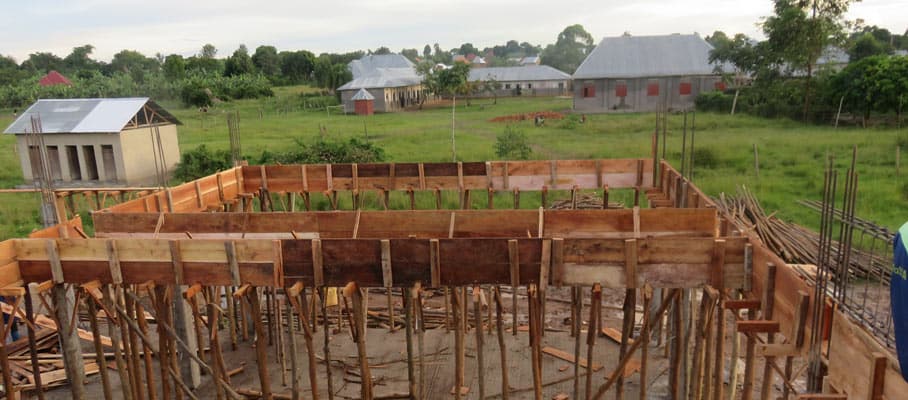
How to improve access to education in small municipalities? Scott Frank and Ronald Kibirige from the InteRoots Initiative present a community-led example from Kasasa, Uganda.
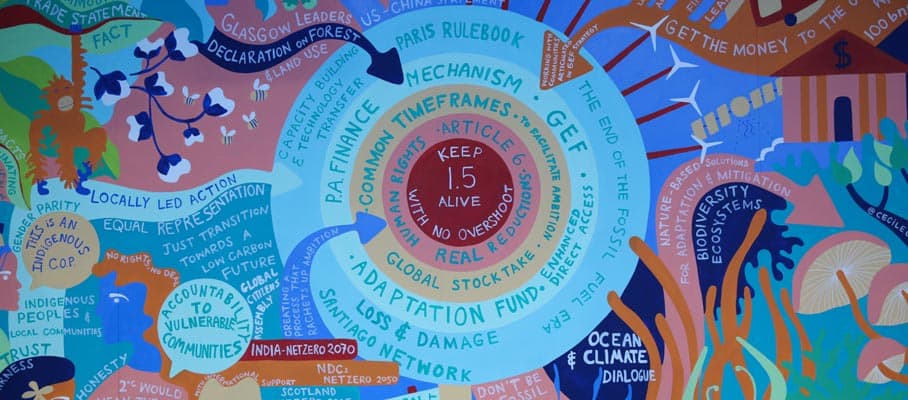
Lou Del Bello reports on COP26, the 2021 United Nations Climate Change Conference that took place in Glasgow, Scotland.
Good governance is key for achieving the national CO2 emission reductions, known as Nationally Determined Contributions. But the “how-to” remains undescribed. Scott A. Muller presents us with local experiences to close this gap.
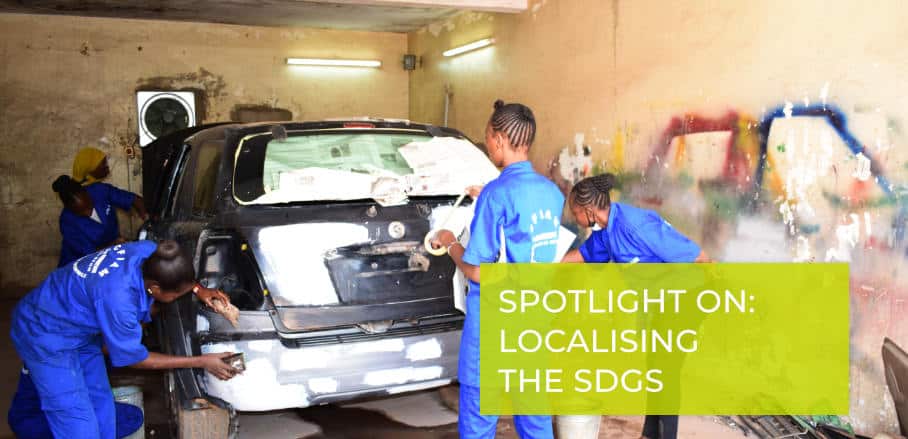
In Burkina Faso, women are taking up the challenge of diversifying their professional choices. With the support of CFIAM, they are proving that non-traditional occupations are not the exclusive domain of men. Bernard Zongo shares the main lessons learned.
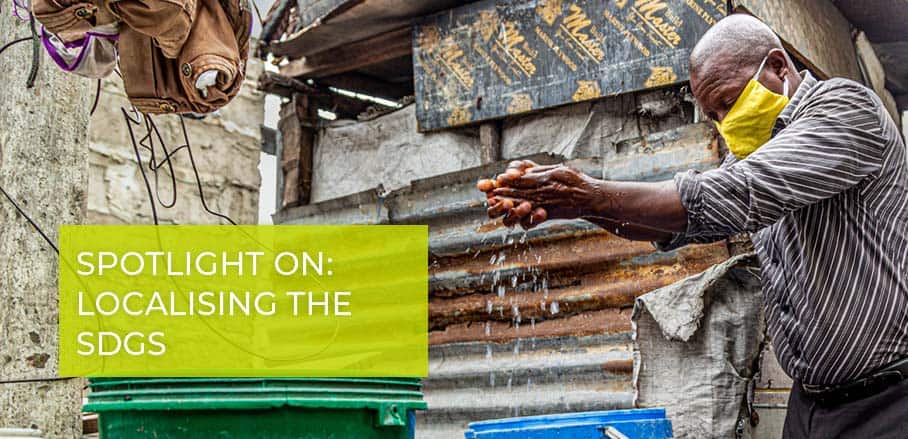
Sam Drabble, Sara Márquez Martín, and Jane Weru explore how water and sanitation can and should be better integrated with wider slum upgrading initiatives.
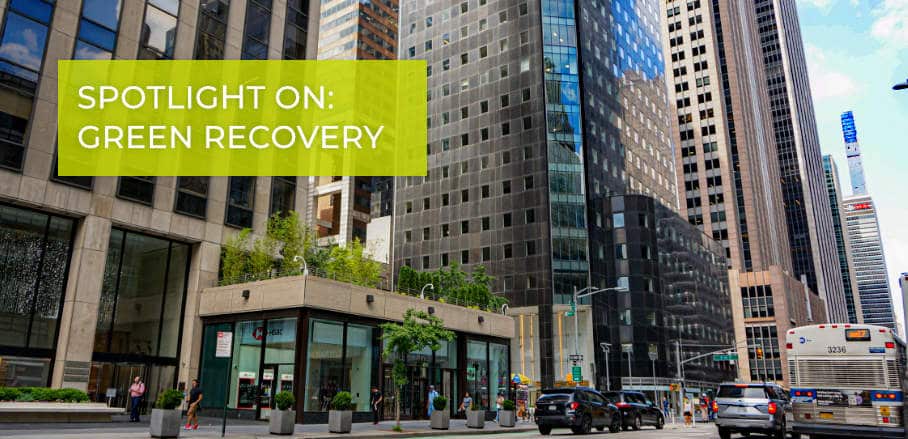
Highlighting yet another long-lasting effect of the COVID-19 pandemic, Phil Myrick takes a look at the concept of central business districts – and argues that its upcoming end is something to look forward to.