Working together to create a positive climate

By |2023-12-19T14:31:57+01:00December 16th 2016|Good Governance, Sustainable Infrastructure|

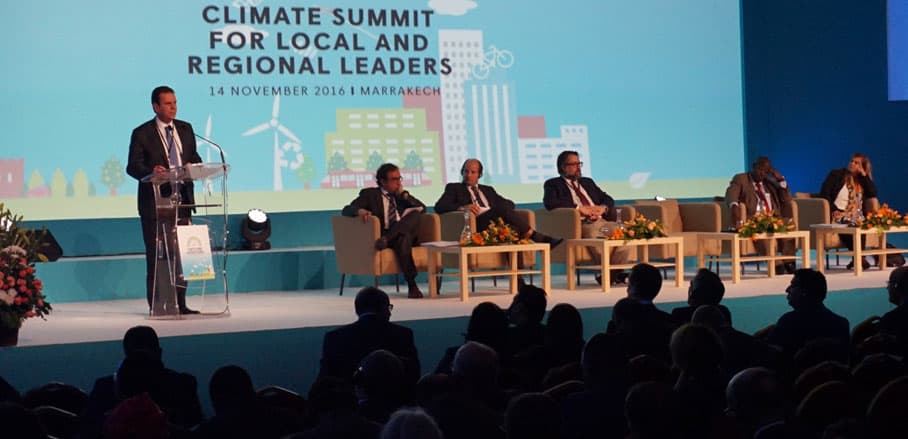
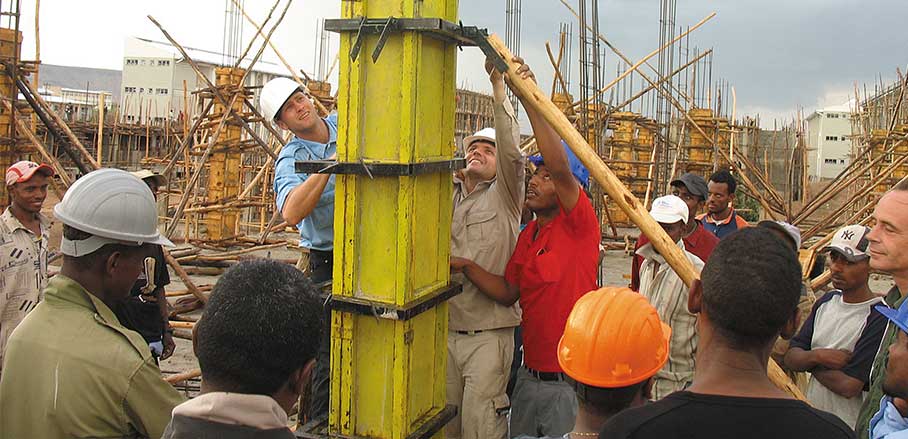
In a four-part series, URBANET takes a closer look at specific projects that contribute to making cities more liveable. This fourth and last part describes how a Tanzanian and a German municipality partnered up to contribute to climate protection - and to also collaborate on other issues.
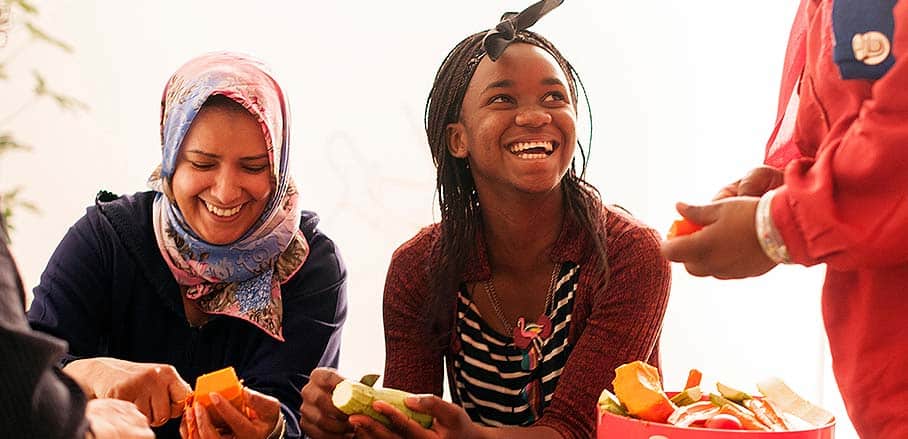
“I want to stay.” New perspectives for migrants and refugees in Morocco

By |2023-12-19T14:33:19+01:00December 14th 2016|Good Governance, Integrated Planning|

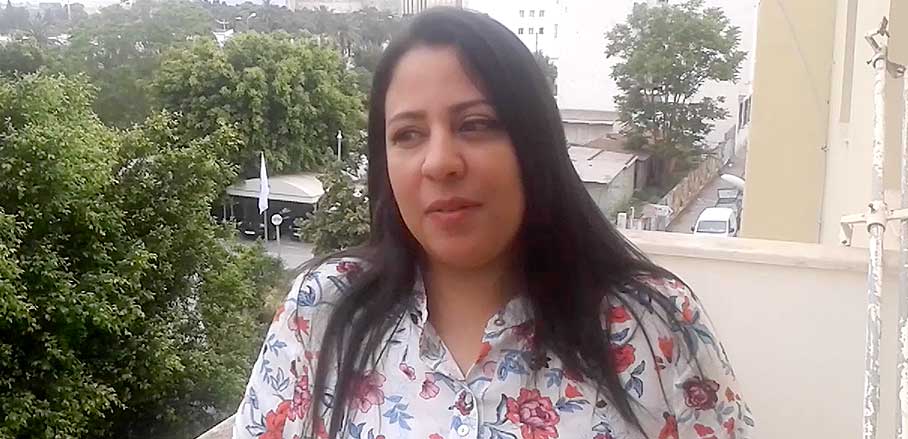
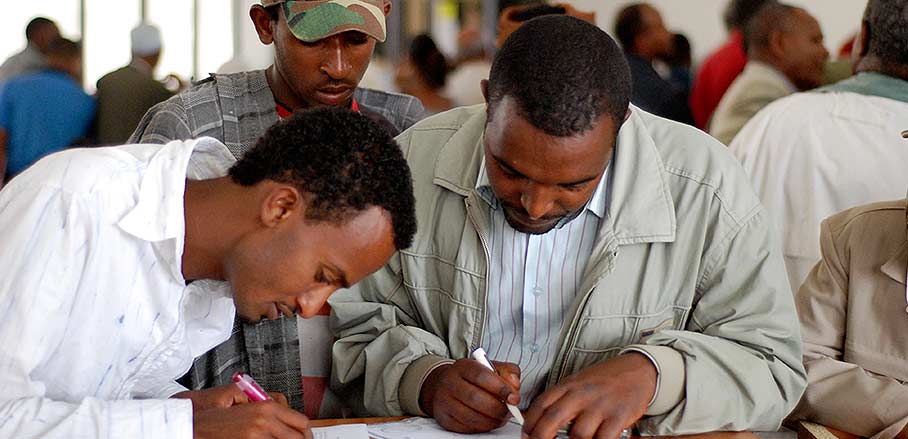
In a four-part series, URBANET takes a closer look at specific projects that contribute to making cities more liveable. This third part describes efforts to better integrate and reintegrate migrants, refugees and returning migrants into local life in Morocco.

Towards the liveable city

By |2023-12-19T14:44:57+01:00November 16th 2016|Good Governance, Resilient Cities and Climate|

The German government pushes for a New Urban Agenda oriented towards the vision of the “lebenswerte Stadt”, i.e. a city worth to live in, but is mostly translated with “liveable city”. But how do we define “liveable”? Our authors Alexandra Linden, Astrid Ley and Alexander Jachnow contend that it goes beyond “freedom from fear” and “freedom from want” as proposed by the UN. Liveability, construed as Quality of life shouldn’t just be determined by indicator models, but within a specific local context and in conjunction with international standards.

COP22 through the Urban Lense

By |2023-12-19T14:45:21+01:00November 15th 2016|Good Governance, Resilient Cities and Climate|

Three weeks after the Habitat III conference in Quito, Ecuador, the 22nd Conference of the Parties (COP 22) to the UN Framework Convention on Climate Change (UNFCCC) is currently taking place in Marrakesh, Morocco. Sarah Schneider and Lisa Lebershausen look at the the international climate change conference through an urban lense.

Good partnerships – An interview with Brigitte Riegelbauer, mayor’s office in the city of Bamberg

By |2023-12-19T14:46:00+01:00November 10th 2016|Good Governance|

Town twinnings play an important role when it comes to mutual understanding and learning processes. In an interview with Imme Scheit, head of administration and deputy chief officer of the mayor’s office in the city of Bamberg Brigitte Riegelbauer explains how these partnerships can be successfully implemented.

Habitat III – Looking back on a milestone in the global urban development debate

By |2023-12-19T14:46:40+01:00November 1st 2016|Good Governance|

On October 20, 2016, the New Urban Agenda was adopted, setting the priorities and expectations for the next 20 years of urban development against the backdrop of growing urbanisation. The Habitat III conference in Quito, which hosted a vast array of events besides the official negotiations reflected the themes of the New Urban Agenda and the hopes attached to it. Here is a review of the events and atmosphere in Quito.

Voices on Habitat, Part II

By |2023-12-19T14:28:32+01:00September 30th 2016|Good Governance|

In the run-up to the German Habitat Forum in June 2016, people from all over the world were asked how they imagine the city of the future, what they expected from local, national and international authorities for their city, and how their city has evolved. The series "Voice on Habitat" projects an image of the

“Participation is a prerequisite for sustainable urban development”

By |2023-12-19T14:28:49+01:00September 28th 2016|Good Governance, Integrated Planning|

According to Franziska Schreiber and Kaj Fischer from the think tank adelphi, innovative participation processes make cities more livable. URBANET talked to both urbanisation experts about how municipalities and residents can work together to shape their city.

Urban Governance for Sustainable Global Development: From the SDGs to the New Urban Agenda 

By |2023-12-19T14:29:12+01:00September 23rd 2016|Good Governance|

“Make cities and human settlements inclusive, safe, resilient and sustainable” - this is the call to action formulated in Sustainable Development Goal 11. Although this reflects an awareness of urban governance issues in regard to sustainable development, our author argues that many of these issues are still neglected and need to be further elaborated.

Voices on Habitat, Part I

By |2023-12-19T14:29:22+01:00September 21st 2016|Good Governance|

In the run-up to the German Habitat Forum in June 2016, people from all over the world were asked how they imagine the city of the future, what they expected from local, national and international authorities for their city, and how their city has evolved. The series "Voice on Habitat" projects an image of the issues that the New Urban Agenda has to tackle, and gives a voice to the people who will be directly affected by its implementation.

New Partnerships between civil society actors and government institutions

By |2023-12-19T12:09:24+01:00September 1st 2016|Good Governance, Integrated Planning|

There is a growing recognition that the ambitious goal of transforming fast-growing cities into major globally attractive hubs of the world economy cannot be reached without including the urban poor as cooperation partners in housing and urban development processes. This situation, combined with pressure from civil society groups, has opened new space for the encounter between civil society and state organisations. Peter Herrle, Josefine Fokdal, Astrid Ley and Sonja Nebel assess this situation in their Cities Alliance background paper, of which an extract is published here.

The challenges in achieving sustainable urban development for cities in Ghana

By |2023-12-19T12:21:49+01:00August 9th 2016|Good Governance|

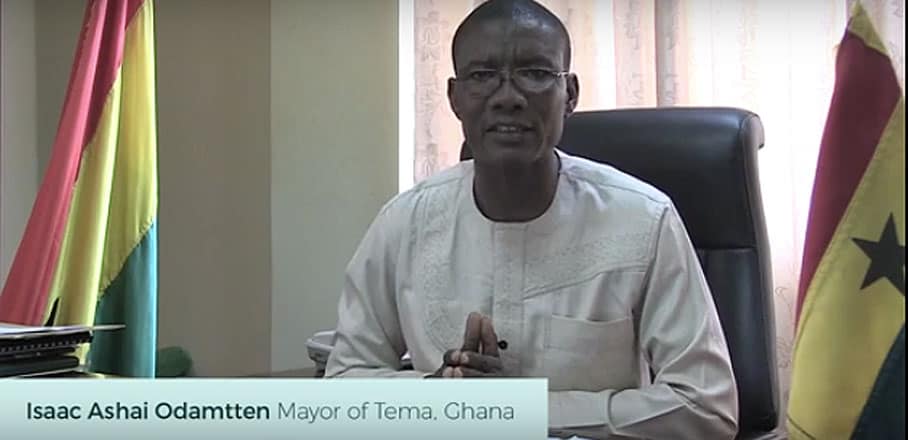
What are the challenges Ghanaian cities face in achieving sustainable development? Isaac Ashai Omdatten, Mayor of Tema, describes how he makes his city more livable.

New solutions to existing problems: The role of grassroots organizations in community development

By |2023-12-19T12:24:49+01:00July 27th 2016|Good Governance, Integrated Planning|

To be able to achieve good governance, local governments must not only work together with communities, but also grant them a certain amount of responsibility. In an interview with URBANET, Diana Mitlin, Managing Director of the Global Development Institute at the University of Manchester, talks about the importance of community-led development and the value grassroots organisations can add to local communities.

Go to Top