

Equal Cities

Five Reasons Cities Need Gender-Sensitive Urban Planning

By |2026-03-23T11:55:20+01:00March 24th 2026|Gender and Inequalities|

Care work, safety, and everyday mobility shape how cities are used , yet they often remain overlooked in planning. Sina Nielsen explores why this gap matters and what a different approach could look like.

Equal Cities

Radical Feminist Urbanism: Unpacking and Re-imagining Post-Conflict Recovery and Planning

By |2026-03-10T13:02:54+01:00March 10th 2026|Gender and Inequalities|

Who gets to rebuild cities after war? Sagal Abas Bafo argues that post-conflict recovery must centre women’s experiences and feminist Global South perspectives to create more equal cities.

Inequality in Cities

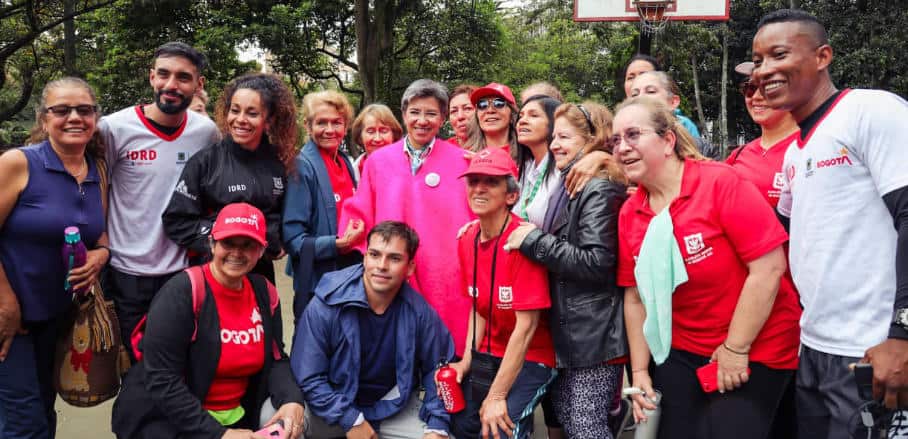
Bogota: Centring Women’s Care Work as a Core Municipal Function

By |2024-05-15T10:00:42+02:00July 18th 2023|Gender and Inequalities, Integrated Planning|

In Bogota, Care Blocks are transforming the lives of unpaid caregivers, providing essential services and empowerment. Prabha Khosla explores the empowering impact of these initiatives and the path towards gender-inclusive cities.
Inequality in Cities

Feminist Urbanism – Confronting Patriarchal Living Conditions in Urban Spaces

By |2024-01-05T12:55:05+01:00July 11th 2023|Gender and Inequalities, Integrated Planning|

Feminist urbanism is a concept that challenges the inequality in cities that particularly affects women among other marginalised groups. Ana Falú preps us with knowledge on how to overcome the patriarchal living conditions constituting our urban environment so far.

Gender, LNOB & Feminist Development Policy

Feminist Urbanism: Smashing the Patriarchy in Urban Design

By |2024-01-04T16:42:53+01:00March 8th 2023|Gender and Inequalities, Sustainable Infrastructure|

Who plans cities for women? Feminist urbanism challenges traditional urban planning and design paradigms to account for women's experiences. Legal researcher and creator of the “Feminist City” podcast, Sneha Visakha, on the real-world impacts of masculinist urban planning in our cities and the power of feminist urbanism.

Go to Top