Mozambique’s Stand-by Generation

By |2023-12-19T15:02:21+01:00April 13th 2017|Good Governance, Integrated Planning|

In the International Development world, “youth” constitutes a critical variable to look at in any given country. Policy makers believe that more educated generations with better health and economic conditions than their parents are the absolute precondition for achieving long-term economic and social development. They are also aware that a frustrated youth is a serious threat to political stability and economic growth.

Living by borrowing food in Mozambican cities

By |2023-12-19T15:07:59+01:00April 10th 2017|Gender and Inequalities|

Food security touches many different issues, among them poverty, hunger, price levels, and land and food policy. For URBANET, Inês M. Raimundo describes the situation in the Mozambican cities of Maputo and Matola, where the urban poor have resorted to food borrowing to survive.

Life in African Cities | Infographics

By |2023-12-19T15:09:28+01:00April 5th 2017|Gender and Inequalities|

Are African cities cheap or expensive for their inhabitants? And by how much do cities grow each year? The URBANET infographics on African cities provide key figures and numbers on some interesting trends concerning urban life and development.

Working together to create a positive climate

By |2023-12-19T14:31:57+01:00December 16th 2016|Good Governance, Sustainable Infrastructure|

In a four-part series, URBANET takes a closer look at specific projects that contribute to making cities more liveable. This fourth and last part describes how a Tanzanian and a German municipality partnered up to contribute to climate protection - and to also collaborate on other issues.

Mozambique: Rehabilitation of the Chiveve River is improving the quality of life of Beira’s residents

By |2023-12-19T14:35:30+01:00December 9th 2016|Resilient Cities and Climate|

In a four-part series, URBANET takes a closer look at specific projects that contribute to making cities more liveable. This second part describes how the coastal city of Beira in Mozambique mitigates floods and other climate change-related natural disasters, which usually effect the poorest communities the most severely. By rehabilitating the Chiveve River, the situation has improved significantly.

Urban Festival in Maputo: Tapping into the potentials of urban citizenry

By |2023-12-19T14:44:16+01:00November 19th 2016|Good Governance, Integrated Planning|

How can citizens become more actively involved in urban development? The Second Urban Festival that took place in Maputo, Mozambique, earlier this month offered various urban actors, stakeholders and inhabitants a multifaceted platform to come together, exchange ideas and jointly reflect upon their city’s development.

“Nobody plans for slums” – An interview with SDI’s Sarah Nandudu

By |2023-12-19T14:44:37+01:00November 17th 2016|Gender and Inequalities, Integrated Planning|

Slums and informal settlements are not just a matter of housing quality, they also affect the quality of life that people have, their health and their chances at a good education. At the Habitat III conference in Quito, URBANET talked to Sarah Nandudu, vice-chairperson of the National Slum Dwellers Federation of Uganda, about community building in slums, the responsibility of the New Urban Agenda, and what formal settlements can still learn from informal ones.

Learning from peers – Shaping Africa’s urban development

By |2023-12-19T14:27:57+01:00October 5th 2016|Finance, Good Governance|

In September 2016, Cities Alliance organised a workshop in Accra, Ghana, to encourage mutual learning between Cities Alliance’s members and active partners in Africa and to create synergies and increase collaboration efforts. The official delegation from Mozambique used this opportunity for an extended study trip in order to exchange with their Ghanaian peers.

Internally Generated Funds – How local governments in Ghana can generate their own money

By |2023-12-19T12:20:03+01:00August 11th 2016|Finance, Good Governance|

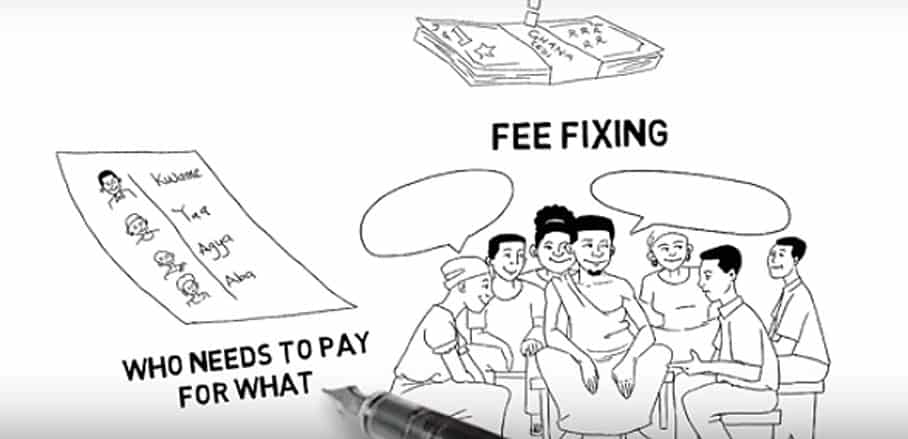
A colourful video overview how local governments in Ghana can increase their Internally Generated Funds and what benefits they provide.


The challenges in achieving sustainable urban development for cities in Ghana

By |2023-12-19T12:21:49+01:00August 9th 2016|Good Governance|

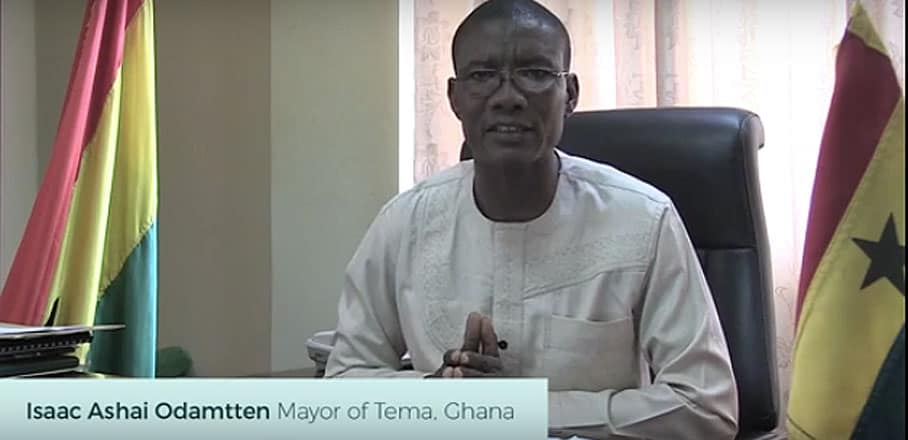
What are the challenges Ghanaian cities face in achieving sustainable development? Isaac Ashai Omdatten, Mayor of Tema, describes how he makes his city more livable.

“We’ve got a political crisis, and no one is admitting it”

By |2023-12-19T12:22:58+01:00August 4th 2016|Gender and Inequalities, Integrated Planning|

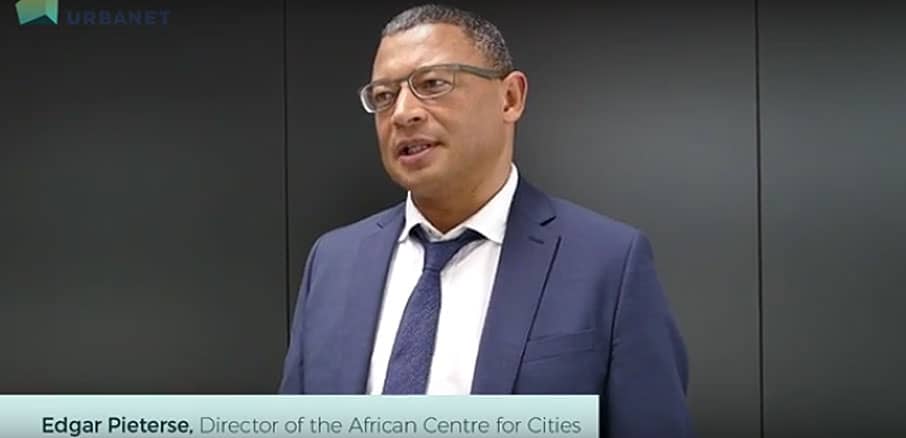
At the German Habitat Forum in June 2016 URBANET talked to the African Centre for Cities Director Edgar Pieterse about cultural inclusion, informal settlements and why it is necessary that international institutions overcome their own limitations for the New Urban Agenda to have an impact.

“Those innovative instruments are now recognised as effective instruments to finance urban development”

By |2023-12-19T12:23:14+01:00August 2nd 2016|Finance, Good Governance|

Subnational Pooled Financing Mechanisms (SPFMs) are expected to play an increasingly strategic role in financing sustainable development. Jean-François Habeau, Executive Director of the international cities network FMDV, talks about the benefits and specific challenges of Subnational Pooled Financing Mechanisms for developing countries.

Creating sustainable and liveable cities to support decentralisation in Ghana

By |2023-12-19T10:31:32+01:00July 21st 2016|Finance, Good Governance|

Rapid urbanisation accelerated by rural-urban and North-South migration due to economic imbalances causes serious challenges for local authorities in Ghana. On behalf of the German Federal Ministry for Economic Cooperation and Development, the Support for Decentralisation Reforms (SfDR) programme supports the implementation of the Ghanaian decentralisation reforms at regional, district and local level.
Go to Top